Bring Broken Things Back to Life: Start a UK Neighborhood Repair Café


Ready to help neighbors fix cherished items, reduce waste, and spark practical creativity? This guide focuses on launching a neighborhood Repair Café in the UK, covering purpose, safety, venues, volunteers, tools, and outreach. Expect real stories, step-by-step tips, and clear actions to run your first event and improve every month. Ask questions, subscribe for updates, and share your wins so we can cheer every revived kettle, mended zip, tightened chair, and newfound community connection together.

Know Your Community’s Needs

Chat with librarians, shopkeepers, parish councils, and school eco-clubs to learn what breaks most and who needs help. Are sewing skills missing? Do kettles and lamps pile up? Map repair pain points alongside existing groups like Men’s Sheds or libraries of things. These conversations shape your priorities, volunteer recruitment, and event timing, while showing residents you’re building this together, with deep listening and a promise to keep improving after every repair session.

Choose a Name and Identity That Fit

Pick a friendly name that neighbors instantly understand and love. If you align with international repair café branding, follow their guidelines; otherwise, choose a distinctive local identity people can rally around. Keep visuals simple: a welcoming wordmark, warm colors, and readable posters. Avoid jargon. Your name, logo, and tone should promise friendly safety, shared learning, and zero judgment. This clarity signals respect for participants’ time, belongings, and dignity before the first screwdriver even turns.

Safety, Insurance, and Peace of Mind in the UK

Safety is kindness in action. Complete a written risk assessment, keep cables tidy, and brief every volunteer before opening doors. Arrange public liability insurance suitable for community events, confirm what the venue’s policy covers, and display clear participant disclaimers. Require collaborative repairs with owners present, never accepting item ownership. For electrics, use competent volunteers, RCD-protected extensions, and basic checks. Keep a first-aid kit handy, note emergency exits, and assign someone to calmly oversee incident response.

Find the Right Venue and Design a Smooth Flow
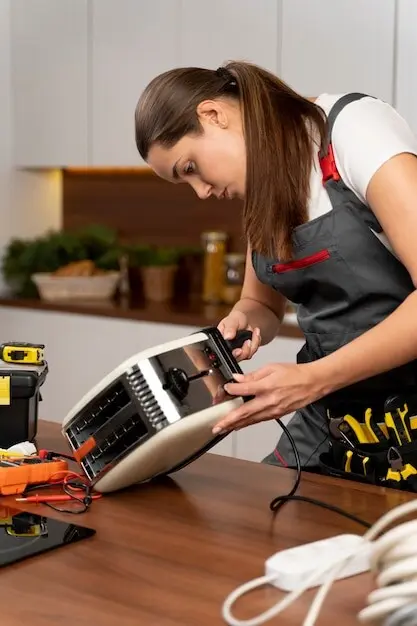
Choose a bright, accessible space close to bus routes and footfall: libraries, village halls, community centers, or churches often welcome low-waste initiatives. Check power outlets, tables, chairs, lighting, storage, and tea facilities. Plan a welcoming entrance, clear triage signage, and separate zones for sewing, small electrics, and bikes if relevant. Provide waiting comfort with tea, stories, and learning displays. A thoughtful layout reduces queues, spreads noise, and keeps volunteers safely energized throughout the session.

Accessibility and Comfort Matter

Ensure step-free access, wide aisles, clear signage, and good lighting. Provide a quiet corner for those who need it, and reserve seating for elders or parents with small children. Offer water and simple refreshments, while following venue rules. Nearby toilets and clear emergency exit routes are essential. Ask your venue contact about keys, opening times, and storage between events. When people feel welcome from the pavement to the fix table, they linger, learn, and happily return.

Smart Zones, Clear Paths, and Triage

Set a smiling welcome desk near the door. Triage items, capture details, and direct participants to the right zone. Leave generous space around hot irons and soldering stations, and route cables away from walkways. Keep hand tools within easy reach, parts neatly labeled, and a few example fixes displayed. Post a visible running order to reduce anxiety. Simple, repeatable flow routines let new volunteers slot in comfortably, maintaining momentum when the door keeps opening with curious neighbors.

Build a Thriving Volunteer Team and Culture

People power the magic. Blend experienced fixers with friendly hosts, data helpers, and tea heroes. Role clarity prevents burnout, while gentle mentoring grows talent quickly. Run a short safety and hospitality induction. Celebrate curiosity over perfection, and pair novices with veterans. Invite feedback after each event and act on it. A supportive culture turns occasional helpers into regular champions who recruit friends, secure funding, and keep your calendar steady through seasons, exams, holidays, and local surprises.

Recruit Widely and Welcome Warmly

Post on community Facebook groups, Nextdoor, and library noticeboards. Visit Men’s Sheds, allotments, cycling clubs, sewing circles, and maker spaces. Ask local trades for occasional mentorship. At the first meetup, skip dense slides and start with stories: favorite fixes, funny mishaps, and proud moments. Feed people, share safety basics, then set a tiny goal for opening day. Visible gratitude—name badges, shoutouts, and photos—helps newcomers feel seen, valued, and immediately part of something practical and joyful.

Define Roles Without Red Tape

Create lightweight role cards: welcome lead, triage lead, electrical fixer, textiles fixer, tool librarian, storyteller, and data scribe. Explain expectations in one page each, including arrival time and safety notes. Rotate roles monthly to prevent ruts and build resilience. Keep decisions close to the room and record them briefly. When everything important is written down simply, volunteers relax, guests feel shepherded, and the whole day hums with calm, attentive progress rather than frantic improvisation.

Retain Through Care, Learning, and Joy

Offer little learning moments: a Saturday morning on multimeter basics, or an evening hemming clinic. Budget for tea, biscuits, and occasional tool upgrades people genuinely request. Thank volunteers publicly, and ask what could make their experience easier. Share impact stats and personal notes from happy neighbors. When people feel safe, appreciated, and growing, they invite friends, protect your calendar, and naturally evolve into stewards who quietly guard standards, kindness, and the spark that drew everyone together.

Tools, Materials, and Repair Process That Work

Start modestly with dependable essentials and grow as patterns emerge. Prioritize safety-tested leads, a good multimeter, screwdrivers including Torx, pliers, soldering gear, fabric kits, adhesives, lubricants, and consumables like fuses and needles. Label everything clearly. Use a triage form to capture symptoms, decisions, and outcomes. Photograph fixes for learning. Keep spare parts minimal at first and order case-by-case. Pair process discipline with friendly conversation so learning stays central and everyone leaves more confident than they arrived.

Funding, Partnerships, and Community Buzz

Blend tiny costs with generous goodwill. Donations jars, suggested pay-what-you-can pricing, and simple card readers cover consumables. Apply for local council microgrants or small community funds. Partnership is oxygen: collaborate with libraries, councils, Men’s Sheds, schools, and environmental groups. Promote gently yet persistently through posters, parish newsletters, WhatsApp streets, and local radio. Share neighbor stories and joyful photos, always with consent. When your value feels human and visible, support appears right when momentum needs it most.

A Sustainable Funding Mix

Keep a transparent pot for consumables, insurance, venue fees, and tool upkeep. Use donation jars with kind wording, small QR codes, and clear examples of impact. Explore National Lottery community grants, local authority funds, supermarket token schemes, and small charity trusts. Publish a simple annual summary so everyone sees where money goes. Invite in-kind contributions from hardware shops or haberdasheries. Financial clarity and modest ambition build trust, letting you scale carefully without losing the friendly spirit people love.

Partner for Space, Skills, and Reach

Forge ties with the local library for venue support and publicity, or a church hall for reliable scheduling. Approach Men’s Sheds for mentoring and tool wisdom, and schools for student volunteers hungry to learn. Connect with regional repair networks and like-minded groups for training, safety resources, and camaraderie. Formalize light agreements so expectations stay clear. With partners, you borrow credibility, tap existing audiences, and share practical burdens, making your monthly session easier to run and far more resilient.

Marketing That Feels Like Friendship

Turn neighbors into ambassadors with simple posters, friendly social posts, and snapshots of real fixes. Use Eventbrite or a basic form for optional bookings while keeping walk-ins welcome. Pitch to local papers with a human story: a teddy saved, a lamp glowing again, a winter coat renewed. Encourage participants to share their before-and-after photos. Gentle, neighborly marketing beats slick campaigns, because what sells repair is kindness, patience, and the spark of pride when something beloved works again today.
Data That Inspires, Not Overwhelms

Create a simple spreadsheet or use community repair tools to log items, faults, outcomes, and approximate weights. Convert results into relatable wins: kettles saved from landfill, jeans extended by seasons, lamps lighting studies. Share visual summaries on noticeboards and social channels, keeping any personal data private and secure. These numbers persuade funders, venues, and skeptical neighbors, but also motivate volunteers who can see their Saturday mornings turning into measurable, joyful progress across the whole community.

Short Debriefs, Real Improvements

Right after pack-down, circle for ten minutes. What flowed, what stuck, what should change? Capture two improvements, assign owners, and set dates. Review safety notes calmly and celebrate kindness you witnessed. Share highlights in your volunteer chat the next day to maintain momentum. Keeping feedback short, specific, and acted upon builds psychological safety. People trust that ideas matter, mistakes teach, and next month genuinely benefits from today’s learning, not just polite nods that quietly disappear.
Livotelilorinari
Privacy Overview

This website uses cookies so that we can provide you with the best user experience possible. Cookie information is stored in your browser and performs functions such as recognising you when you return to our website and helping our team to understand which sections of the website you find most interesting and useful.