Confident Volunteers, Safer Repairs Across the UK

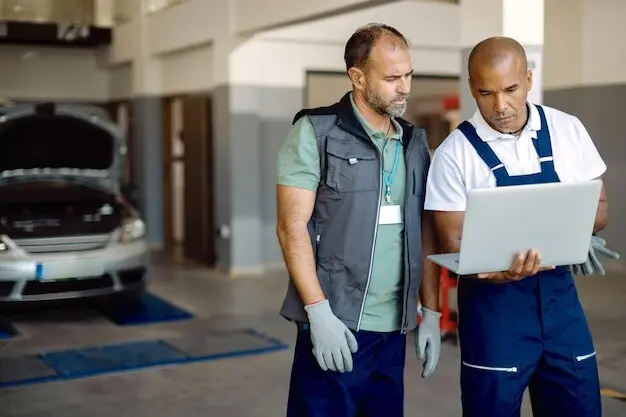
Today we explore volunteer training and safety protocols for community repair workshops across the UK, bringing together practical steps, legal essentials, and lived experience from bustling Saturdays where kettles, bikes, lamps, and garments get a second life. Discover clear pathways for onboarding, risk assessment in action, PAT testing made human, inclusive safeguarding, and first aid readiness, so every fixer, host, and guest feels protected, respected, and empowered to share skills.

From First Hello to Capable Helper

Create a welcoming journey that turns goodwill into dependable practice, blending clear expectations with bite‑sized learning. Start with a friendly induction, a safety walkaround, and introductions to experienced mentors. Add simple competency milestones, purposeful shadowing, and reflective debriefs. Volunteers stay engaged when they understand roles, boundaries, and how their growing confidence translates into fewer incidents, smoother events, and more smiling neighbours leaving with working toasters and newly strengthened trust in community ingenuity.

UK Safety Essentials Made Practical

Translate regulations into everyday actions that fit libraries, church halls, and community centres. Ground decisions in HSE guidance, five‑step risk assessments, and simple checklists aligned with PUWER for tools, Electricity at Work for electrics, and RIDDOR for serious incidents. Focus on behaviours that prevent harm: isolating power, using the right PPE, quarantining unsafe items, and documenting lessons learned. Legal confidence grows when volunteers understand why each safeguard matters to people they know by name.

Electrical Repairs: PAT, Isolation, and Calm Diagnostics

Keep mains work thoughtful and deliberate. Start with visual checks, confirm fuses and plugs, and use PAT as a structured decision aid rather than a rubber stamp. Where practical, power from RCD‑protected circuits and keep isolation transformers and socket testers accessible. Quarantine failures, label findings clearly, and explain decisions kindly to owners. Demonstrating disciplined testing transforms nerves into respect, preventing shocks, smoke, and hurried improvisation that invites unnecessary risk.

Layout, Housekeeping, and PPE That People Actually Use

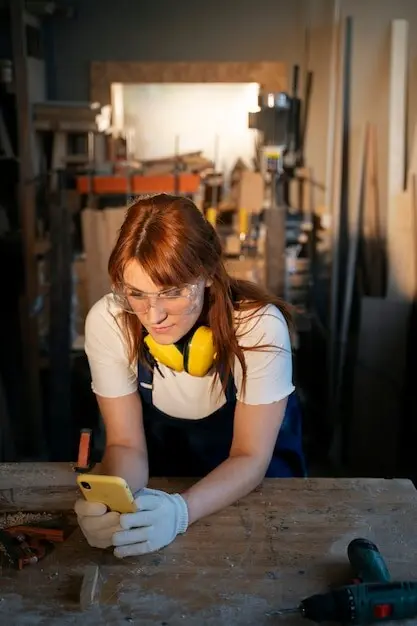
Design the room for flow, not friction. Separate intake, diagnostics, and testing zones. Tame trip hazards with taped cable routes and tidy tool returns. Embrace 5S habits so essentials live where hands expect them. Set PPE by station, sized for comfort, cleaned between sessions, and explained with kindness. Add big, friendly signs, ear protection near noisy work, and fresh air for soldering. Safety becomes invisible choreography rather than scolding posters nobody reads.

Safeguarding, Consent, and Welcoming Everyone

Trust is as vital as torque. Publish a clear code of conduct, name safeguarding leads, and use plain language for consent around photos and data. Consider DBS checks for roles involving children or vulnerable adults, and model respectful boundaries at the bench. Design quieter spaces, step‑free routes, and accessible signs. When people feel safe to say no, ask questions, or take a break, risk drops and learning blossoms naturally.

Tool Confidence: Soldering, Sewing, and Bikes

Create focused inductions that mix tactile practice with crisp guardrails. For soldering, emphasise fume control, iron rests, and cable discipline. For sewing, prioritise finger protection, stable tables, and needle changes. For bicycles, secure stands, pinch‑point awareness, and brake testing before rides. Keep maintenance logs, shared checklists, and loan registers. When people know exactly how to start, pause, and stop, creativity flourishes without flirting with unnecessary risk.

First Aid, Hygiene, and Steady Minds

Prepare for the rare moment so everyday moments stay joyful. Appoint a trained first aider or responsible person, stock kits to BS 8599‑1, and log incidents calmly. Normalise handwashing, surface cleaning, and shared tool hygiene. Provide water, snacks, and comfortable pauses to curb fatigue. Debriefs after sessions release tension, celebrate wins, and note improvements. When bodies, tools, and minds are cared for together, safety becomes the natural soundtrack of community repair.
Livotelilorinari
Privacy Overview

This website uses cookies so that we can provide you with the best user experience possible. Cookie information is stored in your browser and performs functions such as recognising you when you return to our website and helping our team to understand which sections of the website you find most interesting and useful.