Mending Power: People, Policy, and the Joy of Fixing

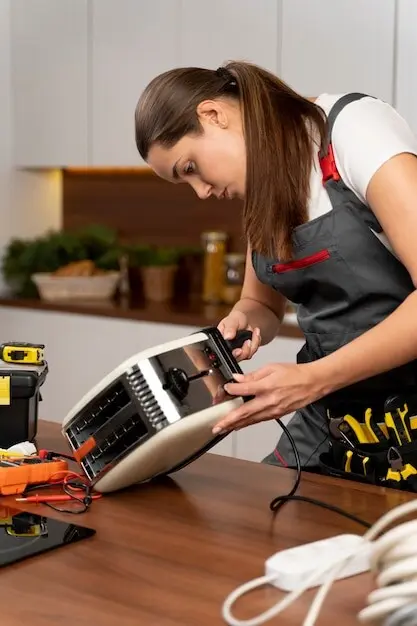
Join us as we dive into Right to Repair in the UK: The Role of Community Repair in Policy Change and Consumer Education. We’ll connect living‑room repairs to Parliament, show how volunteers shape evidence, and share practical learning that helps families save money, cut waste, and feel confident. Expect stories, clear policy context, and steps you can take today to protect repair access and grow a more circular, caring economy.

From Broken to Beloved: Why Repair Matters Now

Across the UK, everyday devices fail long before their potential, pushing households toward costly replacements and mounting e‑waste. Repair flips that script. It preserves value, honors craftsmanship, and builds resilience during a cost‑of‑living squeeze, while empowering citizens to demand products designed for longevity, accessible parts, clear information, and respectful aftercare from manufacturers and retailers.

Household Wins

When a washing machine earns a second decade through a simple pump swap, a family keeps hundreds of pounds in their pocket and avoids the hassle of research, delivery, and disposal. Repair restores control, reveals honest options, and turns frustration into practical, confidence‑building learning people share across neighbors and generations.

Environmental Dividends

Every avoided replacement prevents new mining, manufacturing emissions, and packaging, while delaying energy‑intensive recycling. Community repair events regularly save dozens of kilograms of waste in a single afternoon, showing that circular living scales through small moments, shared tools, and kindness, rather than through guilt, perfection, or impossible technical barriers for ordinary citizens.

Skills and Dignity

Fixing reclaims agency. A teenager soldering their first loose jack beside a retired engineer learns patience, safety, and curiosity, while the mentor finds renewed purpose. That mutual pride reshapes attitudes toward ownership, nurturing communities that care for belongings, trade knowledge generously, and refuse narratives that treat people as passive, disposable consumers.

How Community Repair Cafés Shift Policy Conversations

Volunteer sessions do more than mend objects; they surface patterns of failure, track parts scarcity, and document barriers to information. When aggregated, this evidence helps committees, regulators, and councils understand where design, warranty practices, and software locks obstruct practical maintenance, informing smart interventions that reward durability and fair access across the marketplace.

Consumer Education that Actually Works

People rarely change habits after a lecture, but they do after a friendly fix, a discovered screw, or a transparent bill of materials. Education rooted in doing helps demystify warranties, safety, and software updates, while building trust in community mentors who guide respectful, safe, legal, and confidence‑building approaches to everyday maintenance.

The UK Policy Landscape: Gaps, Wins, and Next Steps

Recent regulations increased access to spare parts and repair information for certain appliances, yet many rules still steer help only to professional repairers, exclude popular electronics, and overlook software locks. Community evidence clarifies where progress is real, where families remain stuck, and how future standards can reward longevity, safety, and fair competition.

Parts, Manuals, and Timeframes

For categories like washing machines, dishwashers, and televisions, manufacturers must keep certain parts available for years and share information with qualified professionals. Families benefit indirectly, but true access widens when everyday people can buy common components and documentation safely, with clear guidance, reasonable prices, and well‑supported distribution through trusted local channels.

Software, Security, and Diagnostics

Modern products blend hardware and code. Without access to calibration routines, error logs, or security‑respecting diagnostic tools, repairs stall despite available parts. Policymakers can encourage safe, auditable pathways that protect data and safety while allowing legitimate maintenance, pushing back against unnecessary pairing, cryptic locks, or proprietary hurdles that add cost without real benefit.

Public Procurement as a Lever

Councils, agencies, and universities buy thousands of devices each year. By demanding minimum repairability scores, spare parts guarantees, and transparent design documentation, public buyers can shift entire markets. Contracts that reward maintenance outcomes inspire better service networks, stimulate local jobs, and validate community knowledge in ways private households alone rarely achieve.

Stories from the Bench: Real Fixes, Real Change

Narratives move hearts faster than statistics. When neighbors celebrate a resurrected lamp or a humming laptop, policy ideas feel human, credible, and urgent. These brief portraits show how small victories ripple outward, strengthening confidence, informing debates, and reminding decision‑makers that dignity, affordability, and environmental care live in ordinary rooms.

The Toaster That Sparked a Letter

A stubborn thermal fuse kept tripping, and a volunteer patiently explained heat, airflow, and safety, then guided a careful replacement. The owner, relieved and fascinated, later wrote their MP about spare parts access, attaching photos and repair notes. One kitchen counter conversation matured into a thoughtful, respectful civic message grounded in experience.

A Smartphone Saved and a Mind Changed

Replacing a battery glued like a drum taught patience, safe heat application, and respect for tiny connectors. Watching it boot at ninety‑three percent, the student grinned, then asked why parts, manuals, and calibration tools are so guarded. Their curiosity transformed into advocacy, joining data collection and helping friends evaluate quotes and options.

Granddad’s Sewing Machine Lives On

A well‑worn Singer arrived squeaking and hesitant. After oil, a belt, and a gentle clean, it purred. The granddaughter learned threading and tension with her granddad beside her, eyes bright. Together they planned a mending night, stitching memories, reducing waste, and building practical courage that policy language sometimes forgets to celebrate.

Get Involved: Practical Steps for Homes, Hubs, and Policy

Momentum grows when ordinary people take approachable steps. Whether you repair at the kitchen table, join a local session, or brief an elected representative, your actions help shift markets and norms. Use the ideas below to start today, track results, and invite others into a generous, skill‑sharing culture.

01

At Home: Start Small, Stay Safe

Begin with cleaning, screws, filters, and obvious wear, and stop when uncertain. Build a modest toolkit, learn to photograph steps, and label parts. Seek trustworthy guides, buy from reputable suppliers, and recycle responsibly. Document outcomes to understand savings, avoided waste, and lessons you can share with neighbors, schools, and local leaders.

02

In Your Community: Build Welcoming Spaces

Partner with libraries, councils, and reuse charities to host repair sessions with clear safety practices and inclusive culture. Track repairs using open tools, celebrate stories, and invite apprenticeships. Share anonymised data with decision‑makers, and publish how‑tos so other neighborhoods replicate success, growing confidence, equity, and local green skills with every friendly fix.

03

In Policy: Raise Your Voice Constructively

Write to your MP, respond to consultations, and attend constituency surgeries with respectful, practical evidence from community sessions. Ask for stronger access to parts, manuals, and diagnostics; transparent repairability information; and incentives that reward service. Offer to brief staff, and follow up with data that shows why these changes help households today.

Livotelilorinari
Privacy Overview

This website uses cookies so that we can provide you with the best user experience possible. Cookie information is stored in your browser and performs functions such as recognising you when you return to our website and helping our team to understand which sections of the website you find most interesting and useful.